An established landscape, thoughtfully reimagined.
A landscape shaped around its setting
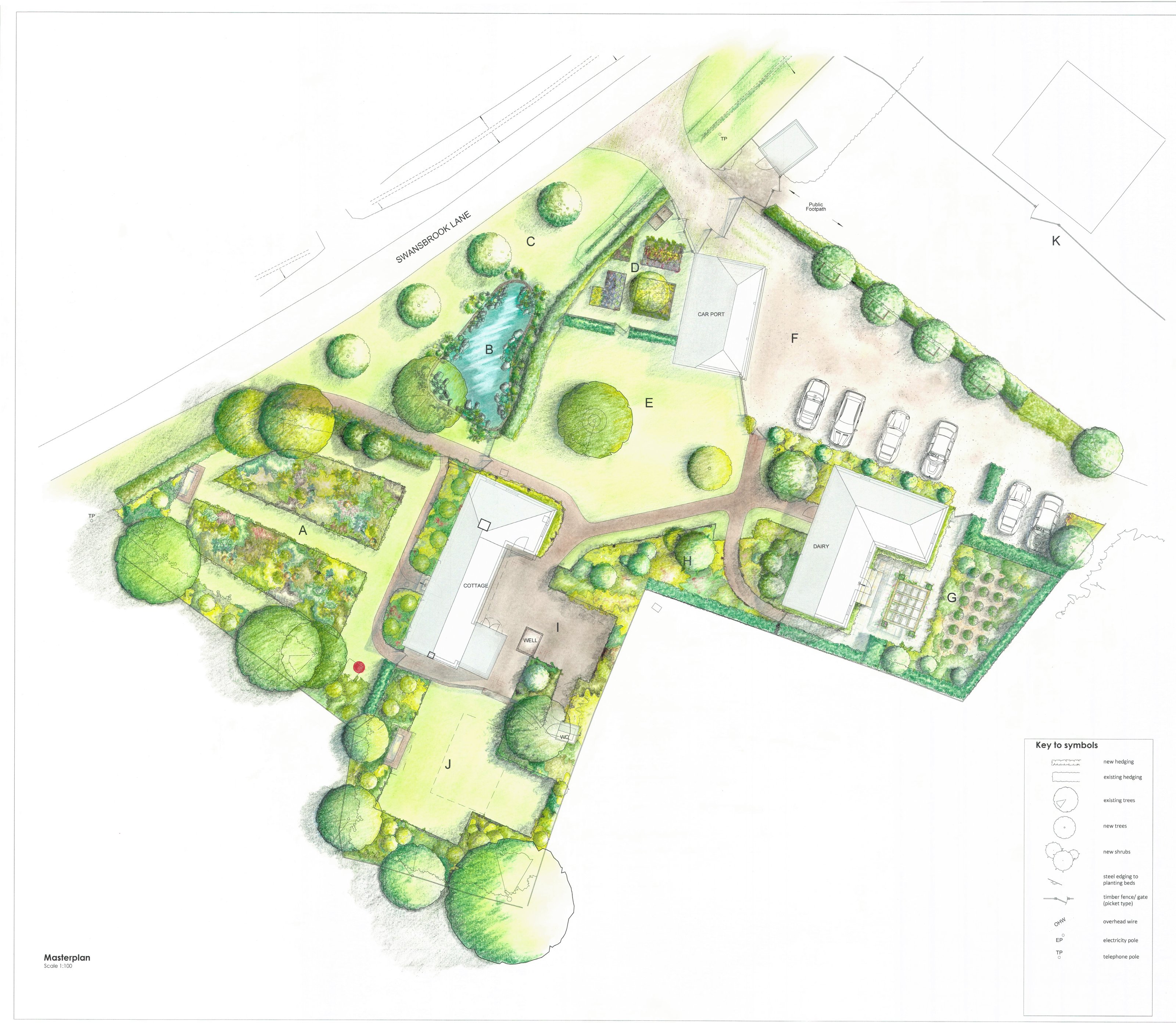
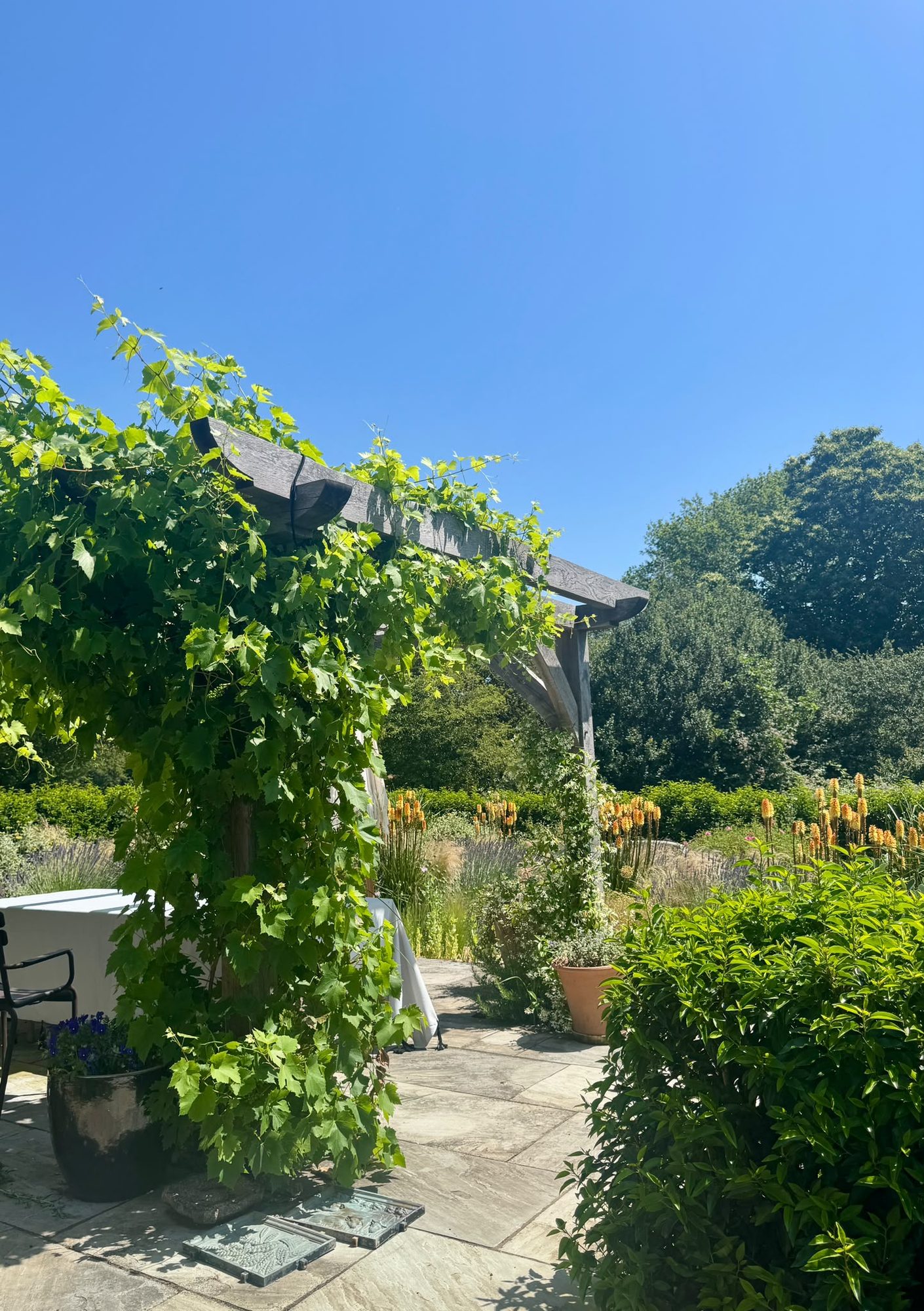
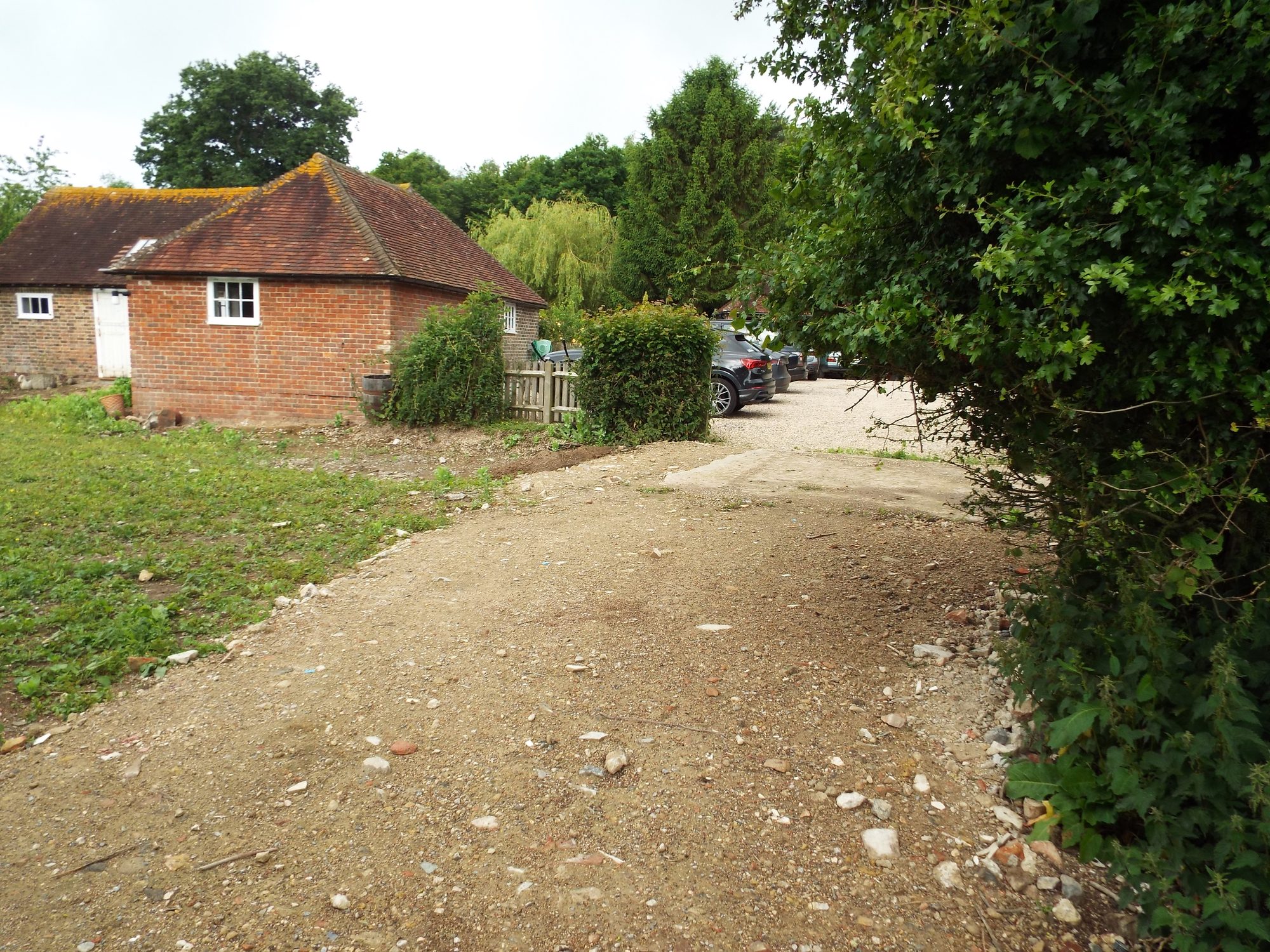
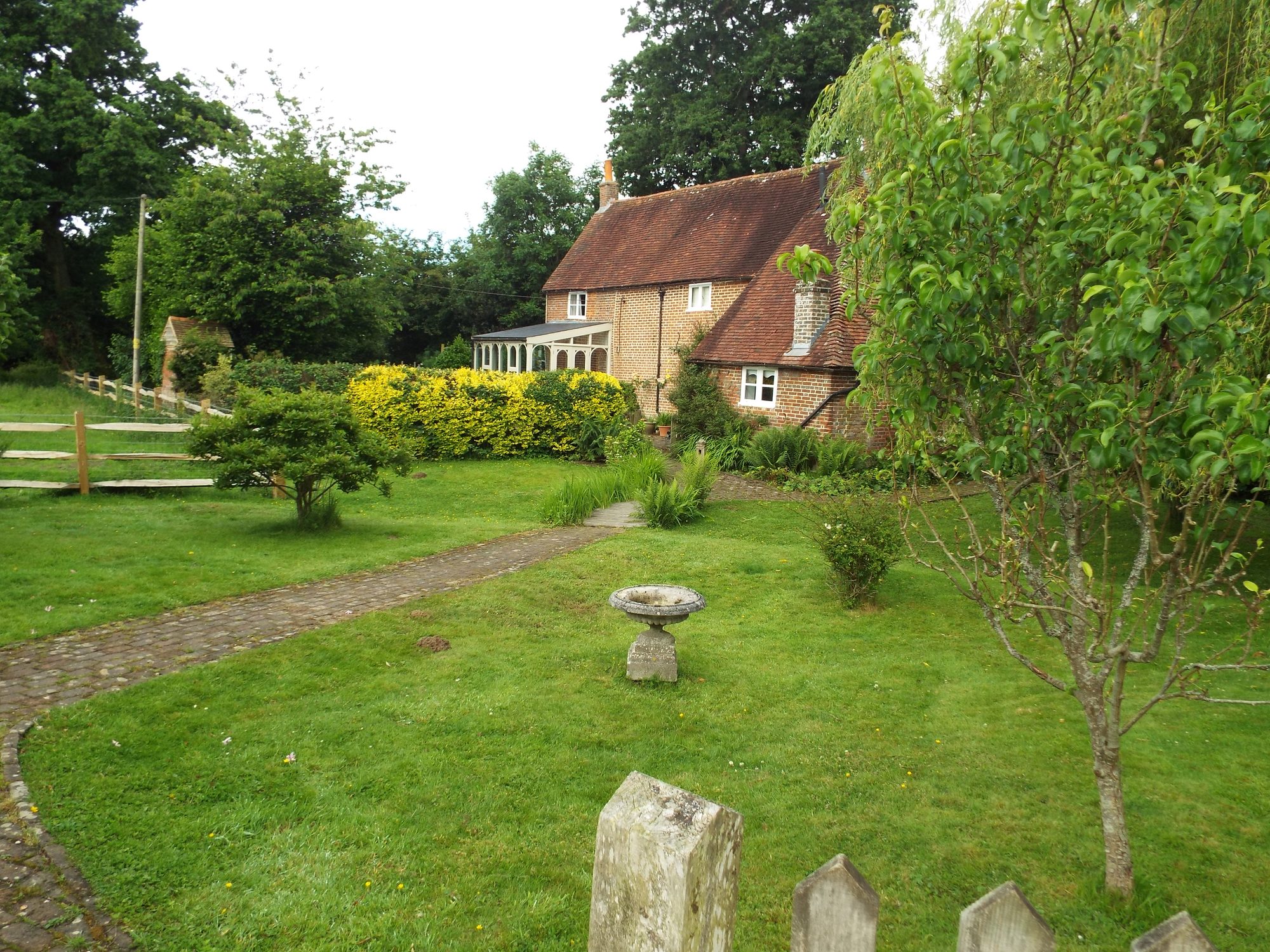
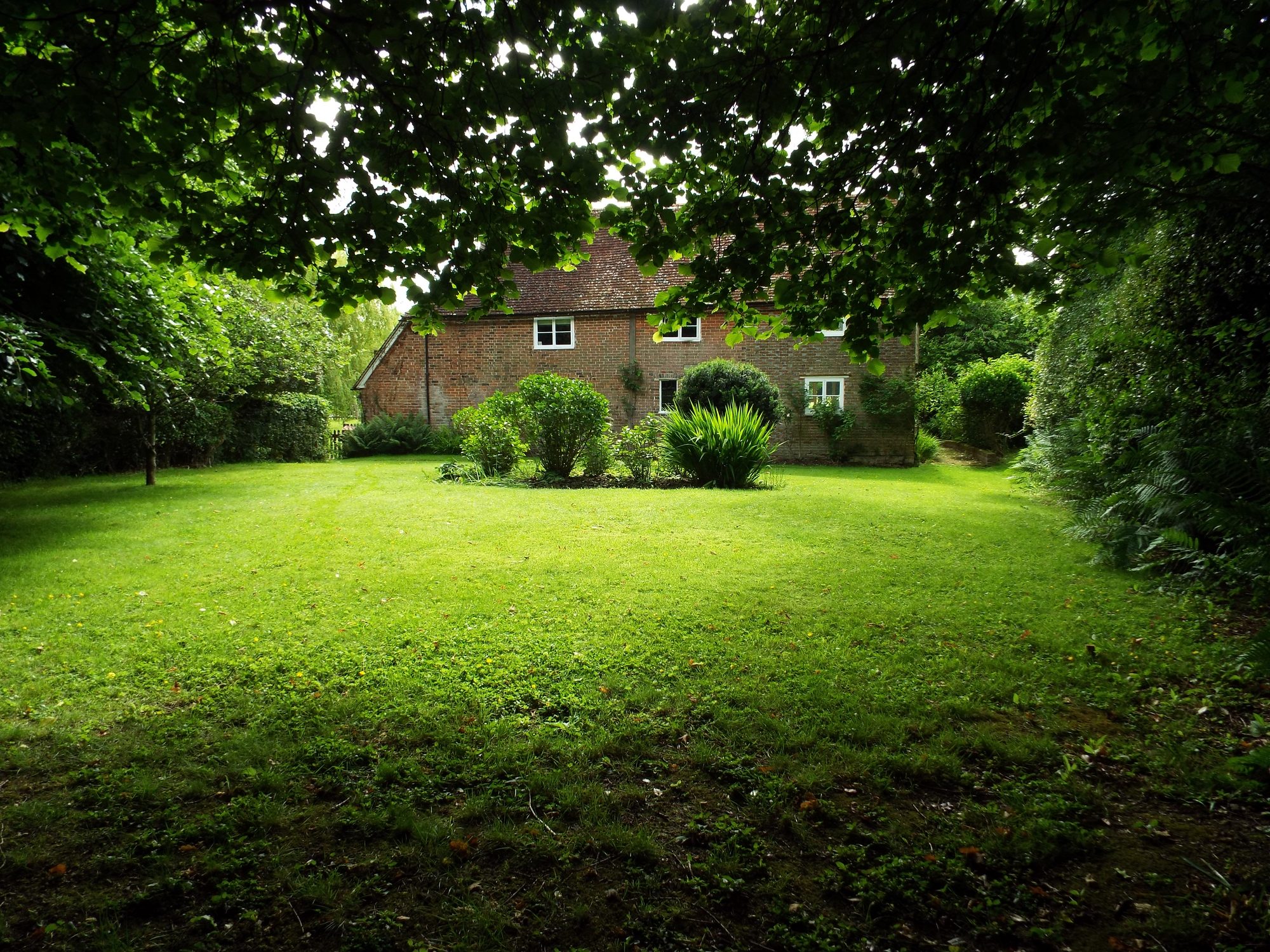
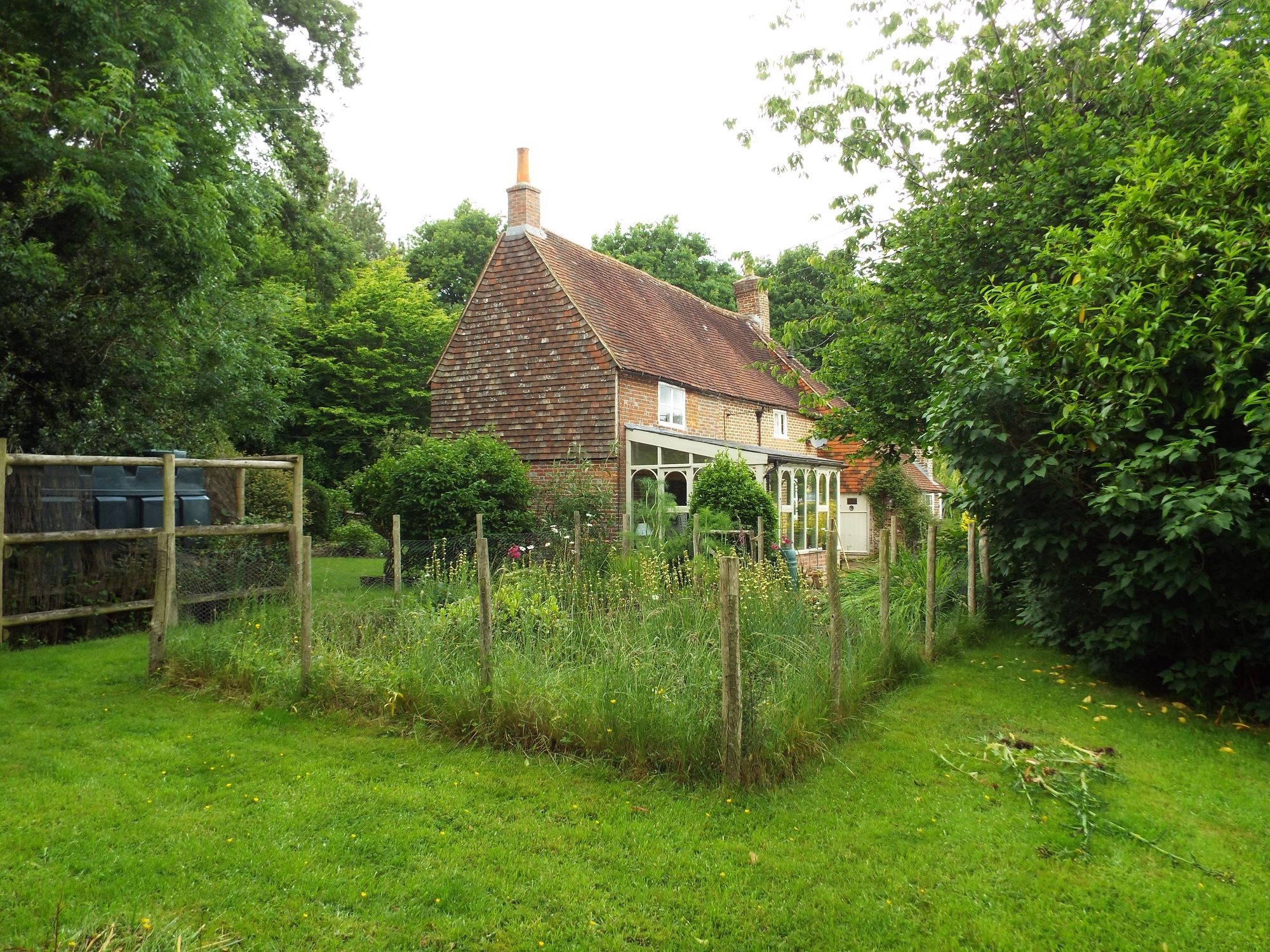
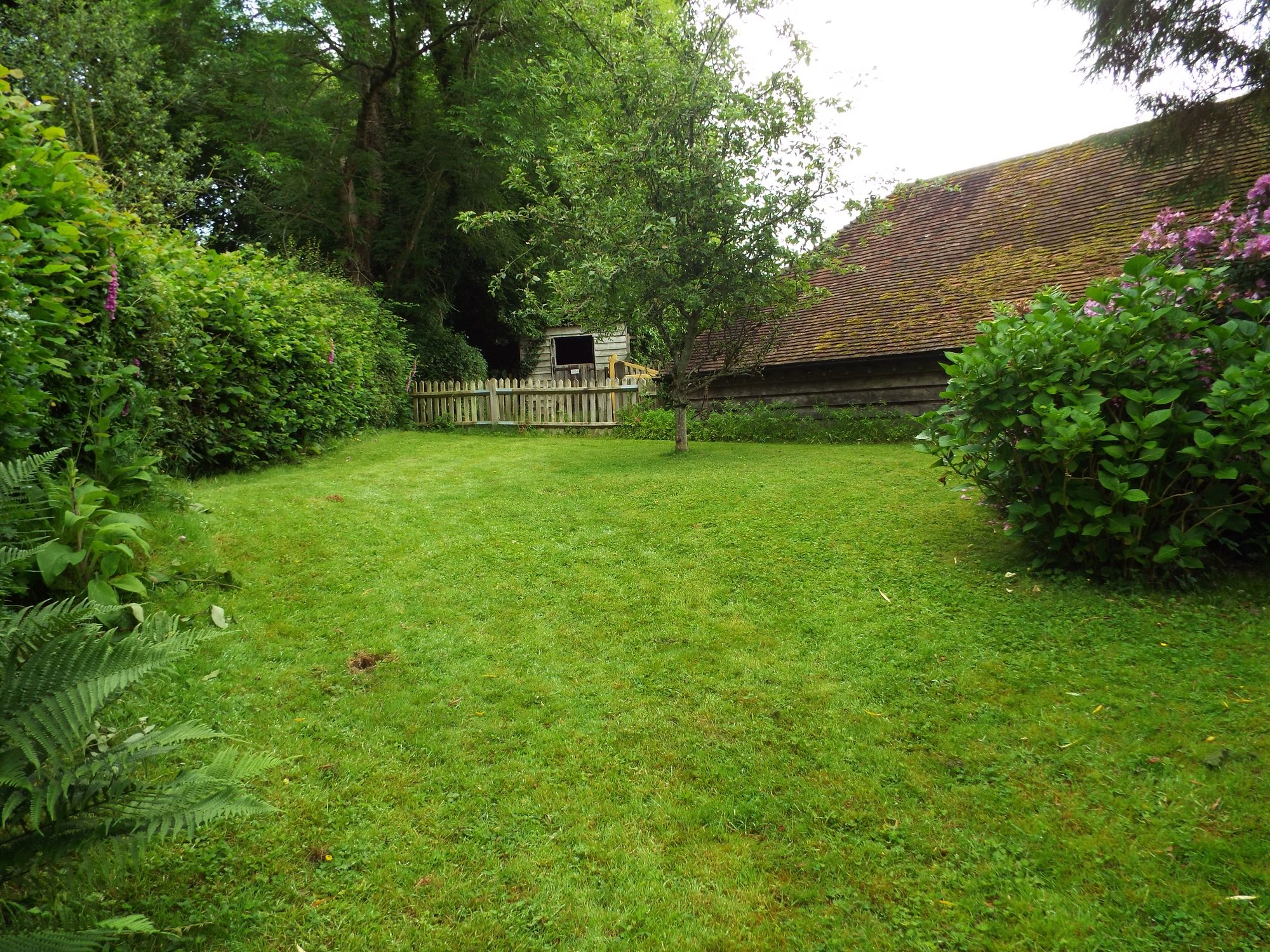
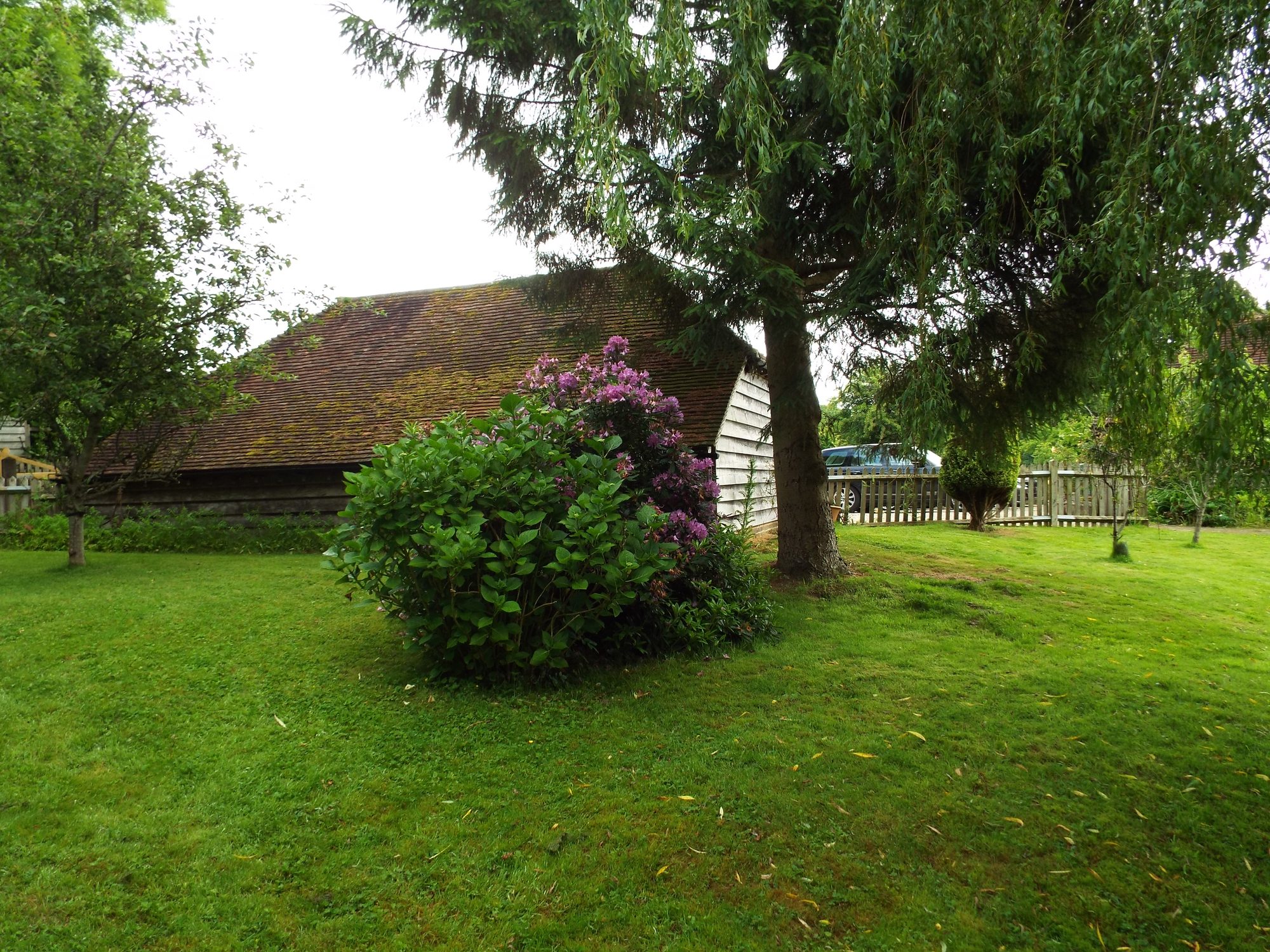
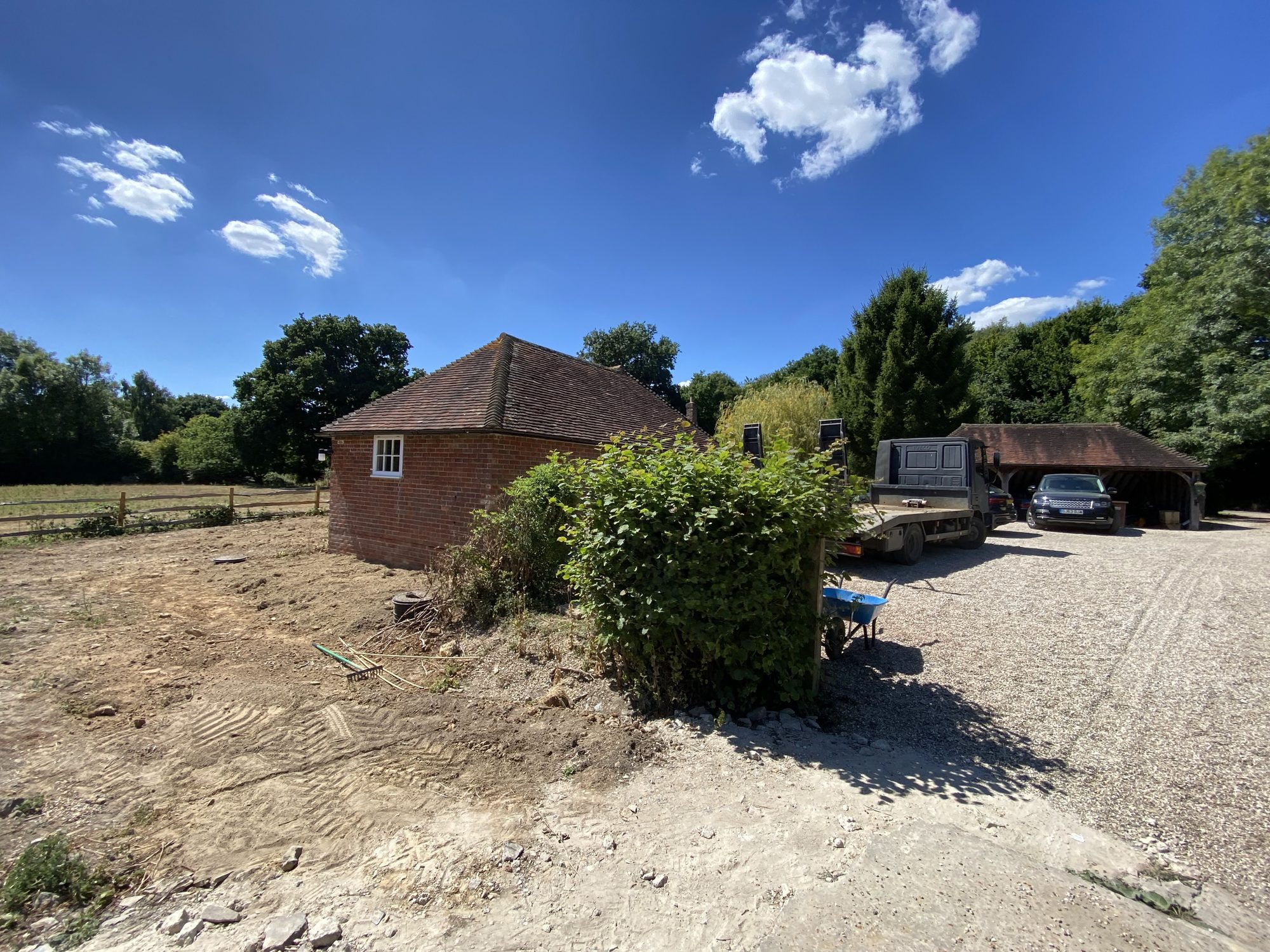
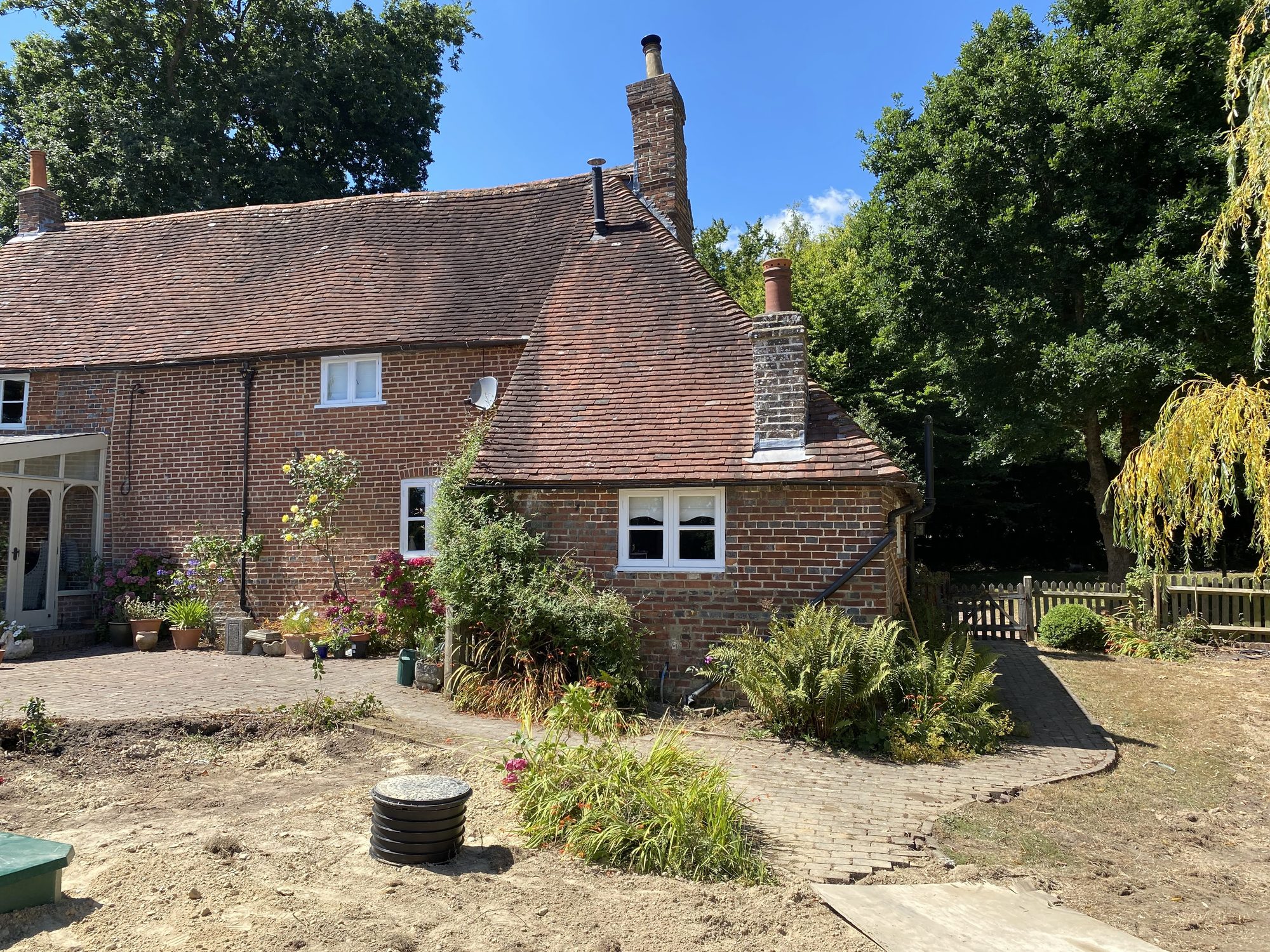
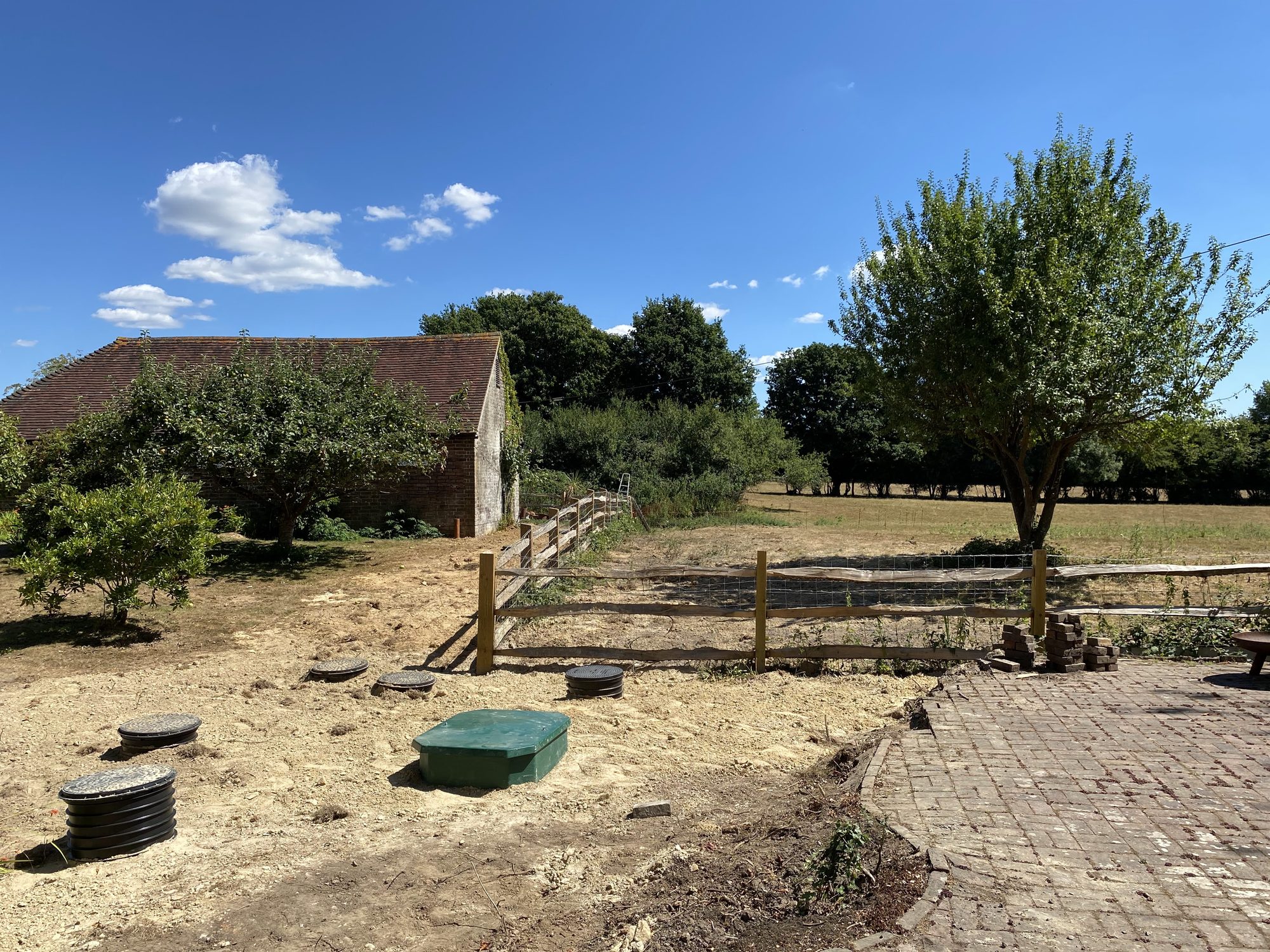
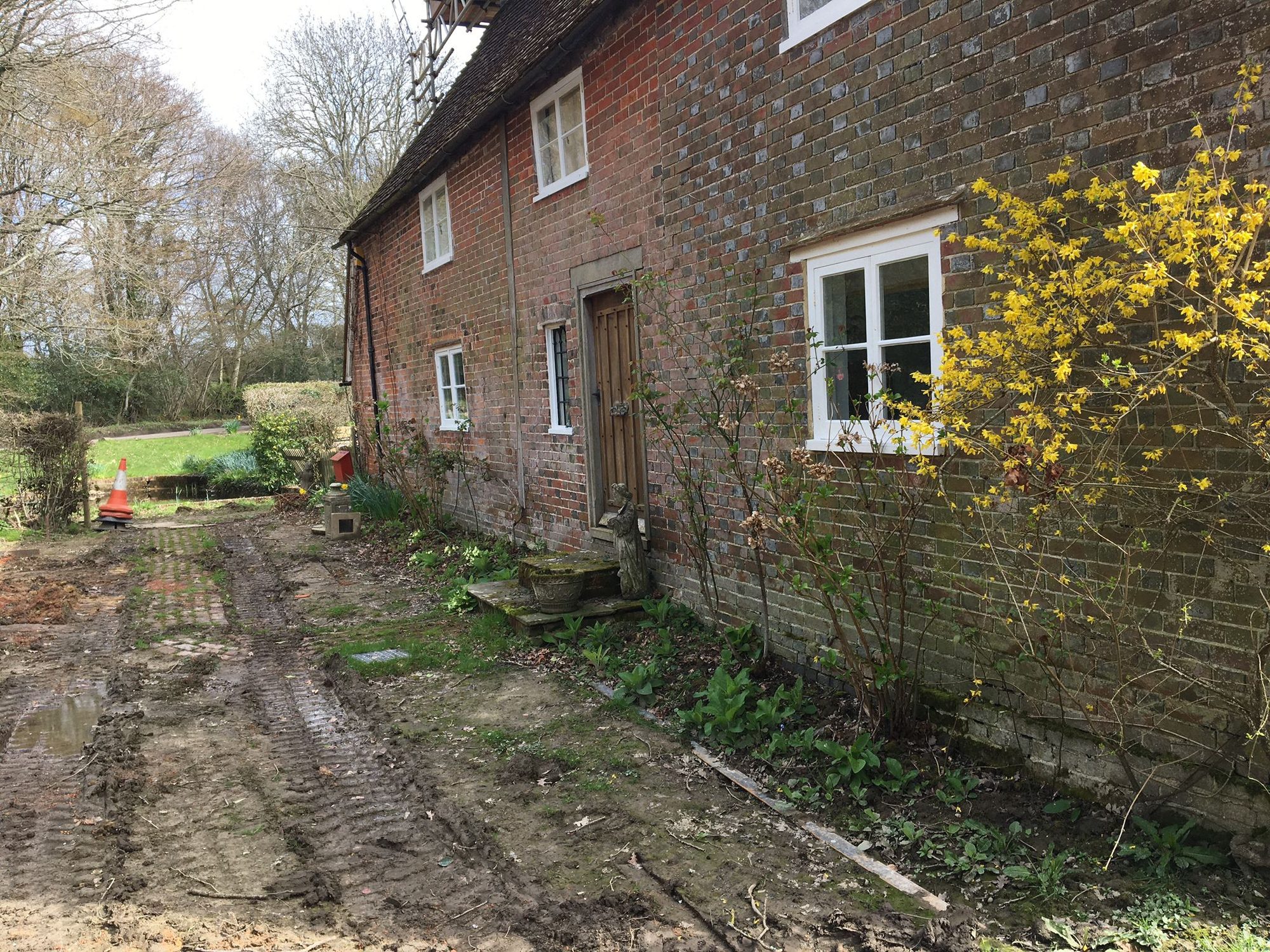
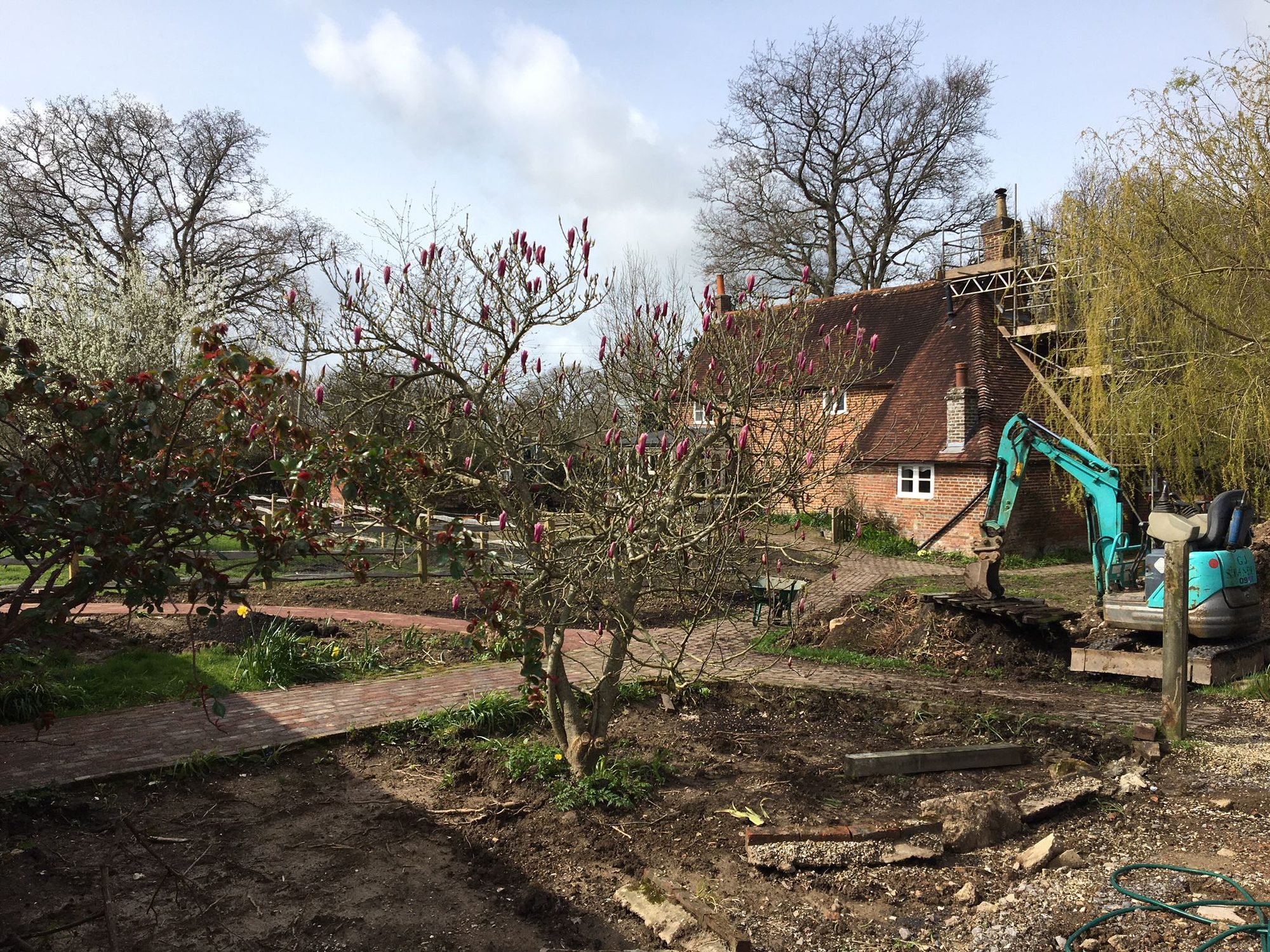
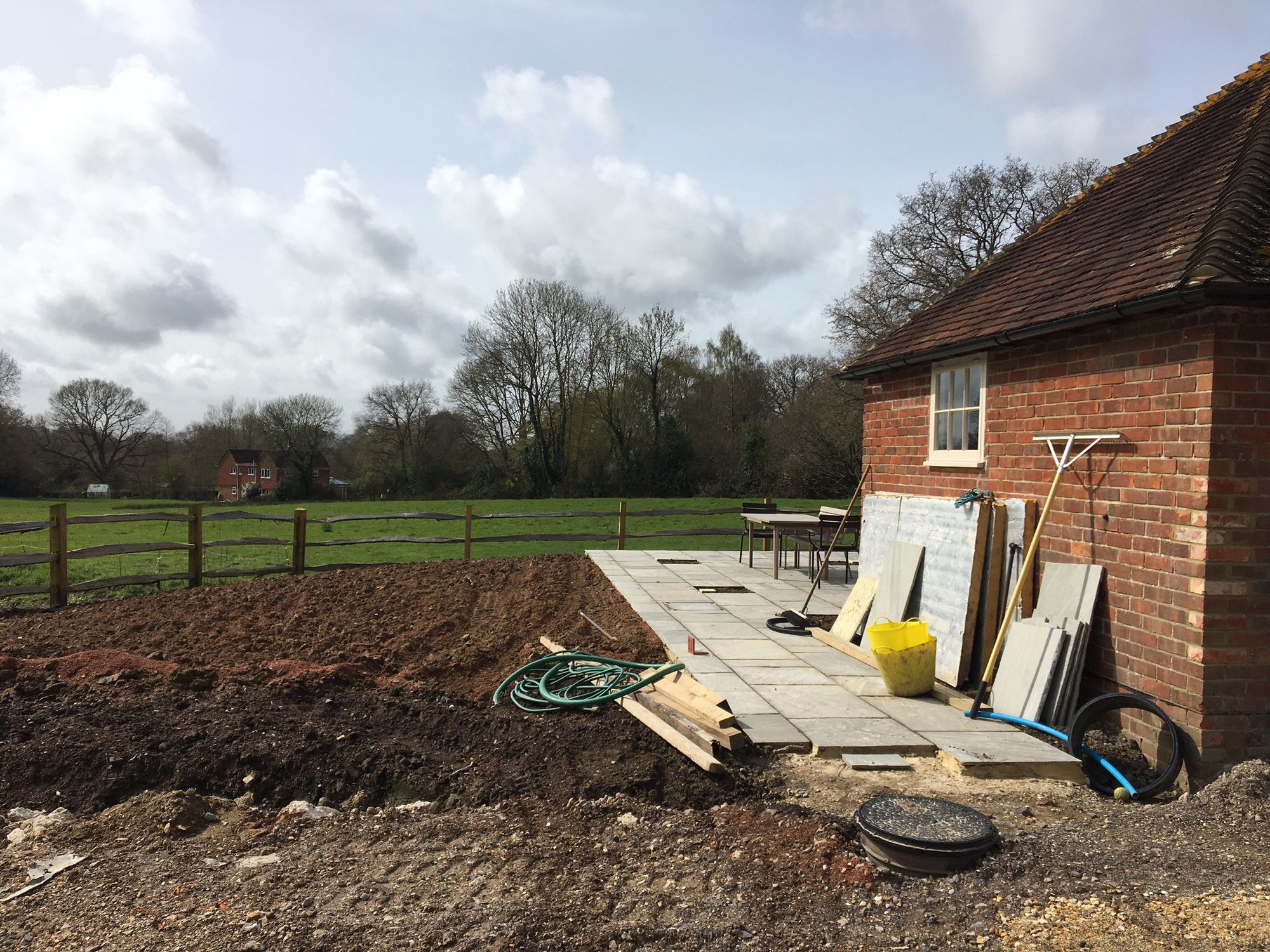
Price’s Farm is a substantial rural property in East Sussex, where the gardens are as prominent as the period cottage itself. The landscape plays a defining role in the character of the property, connecting the cottage with the former dairy building, carport and guest accommodation while providing a coherent setting for the wider group of buildings.
The client wished to retain the cottage as a home while exploring new uses for the surrounding buildings and gardens. The challenge was to create a landscape that brought these different elements together without imposing an entirely new identity on the site.
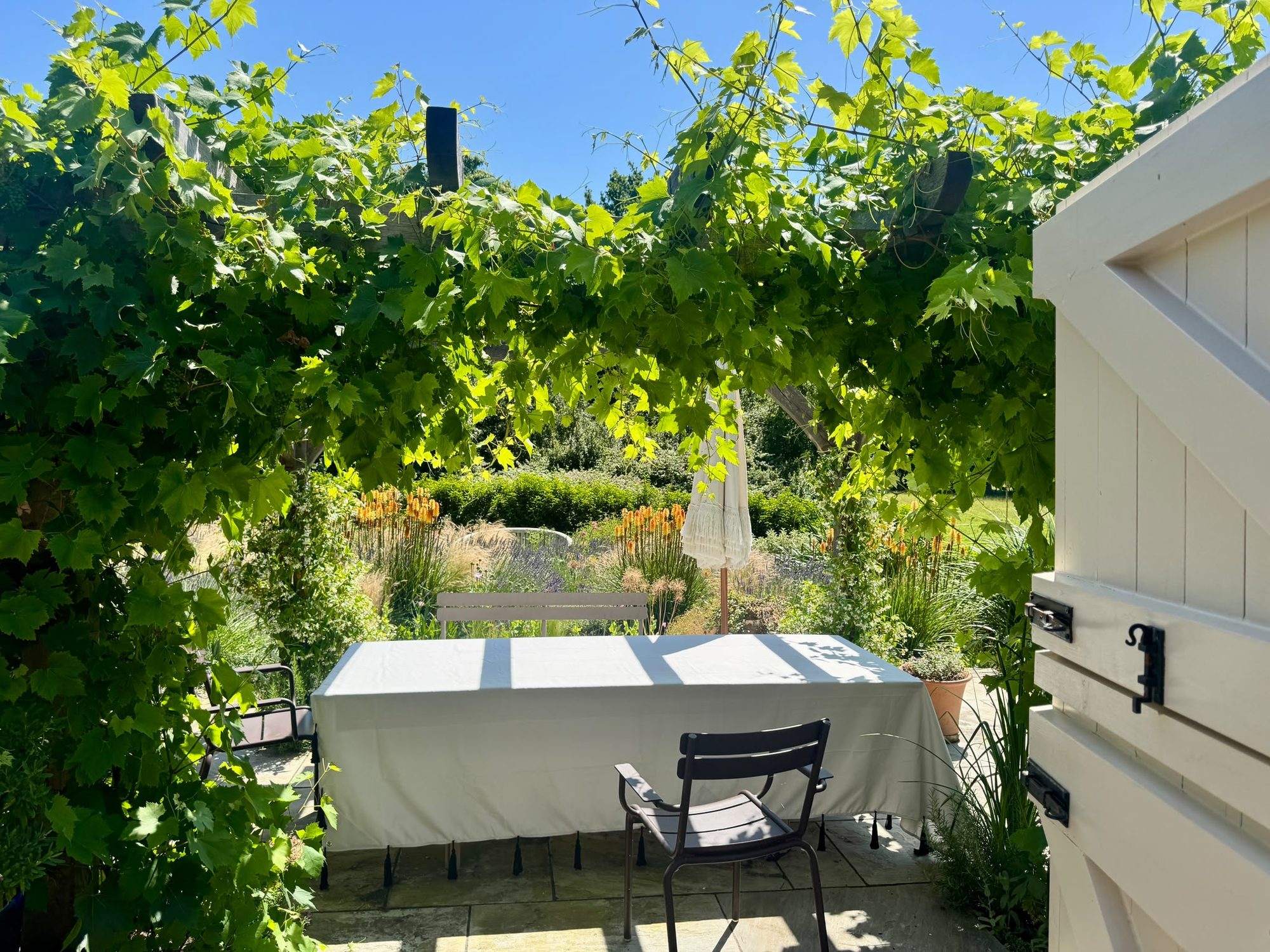
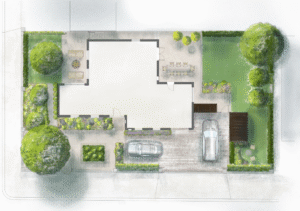
Peter Thurman of The Thurman Consultancy developed a concept that organised the gardens into a sequence of distinct spaces, each with its own purpose. Some were designed around practical everyday use, while others offered opportunities for relaxation, exploration and the enjoyment of the surrounding countryside. At the heart of the scheme, a central garden provided a unifying anchor, bringing the different areas together into a cohesive whole.
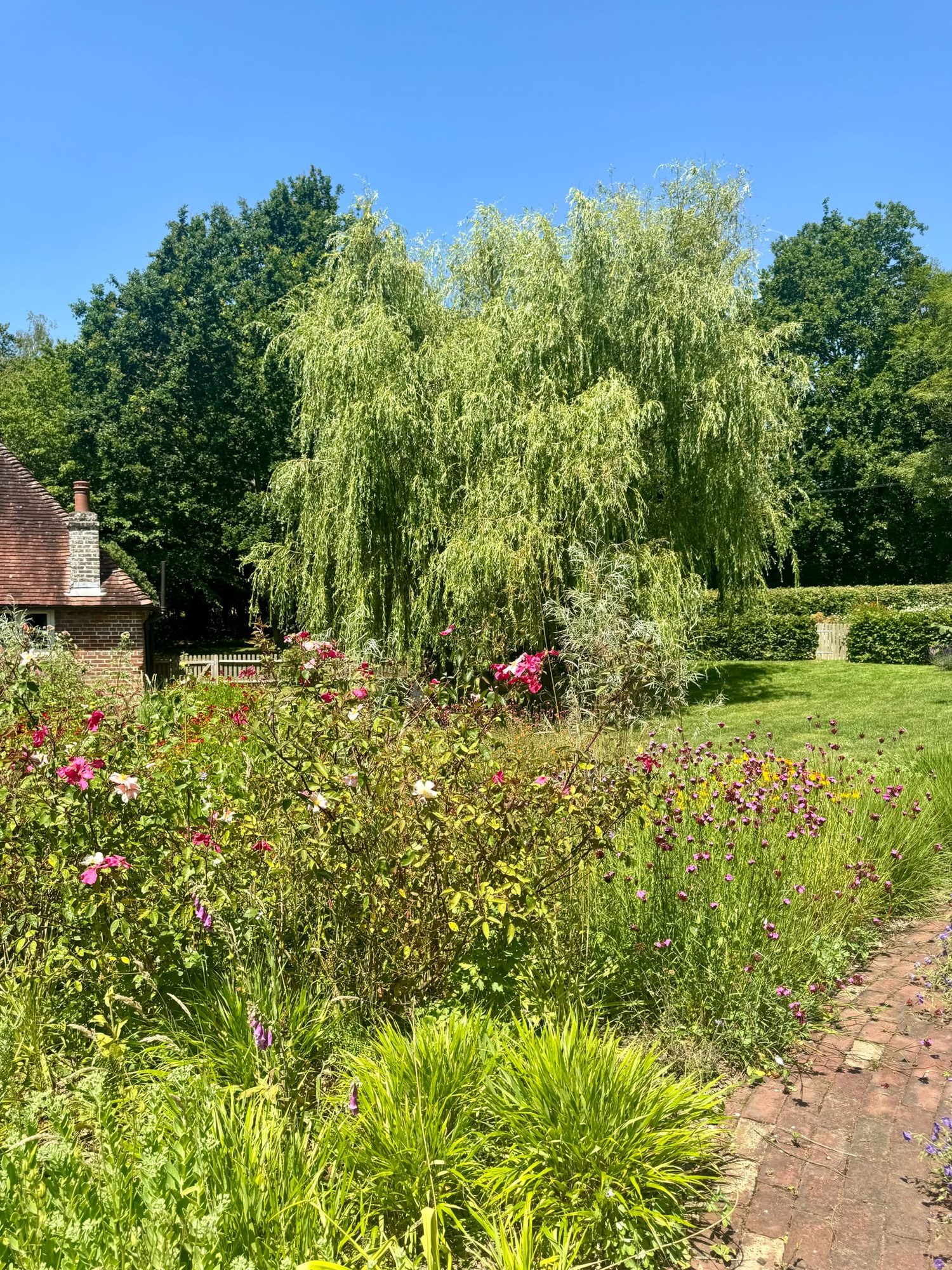
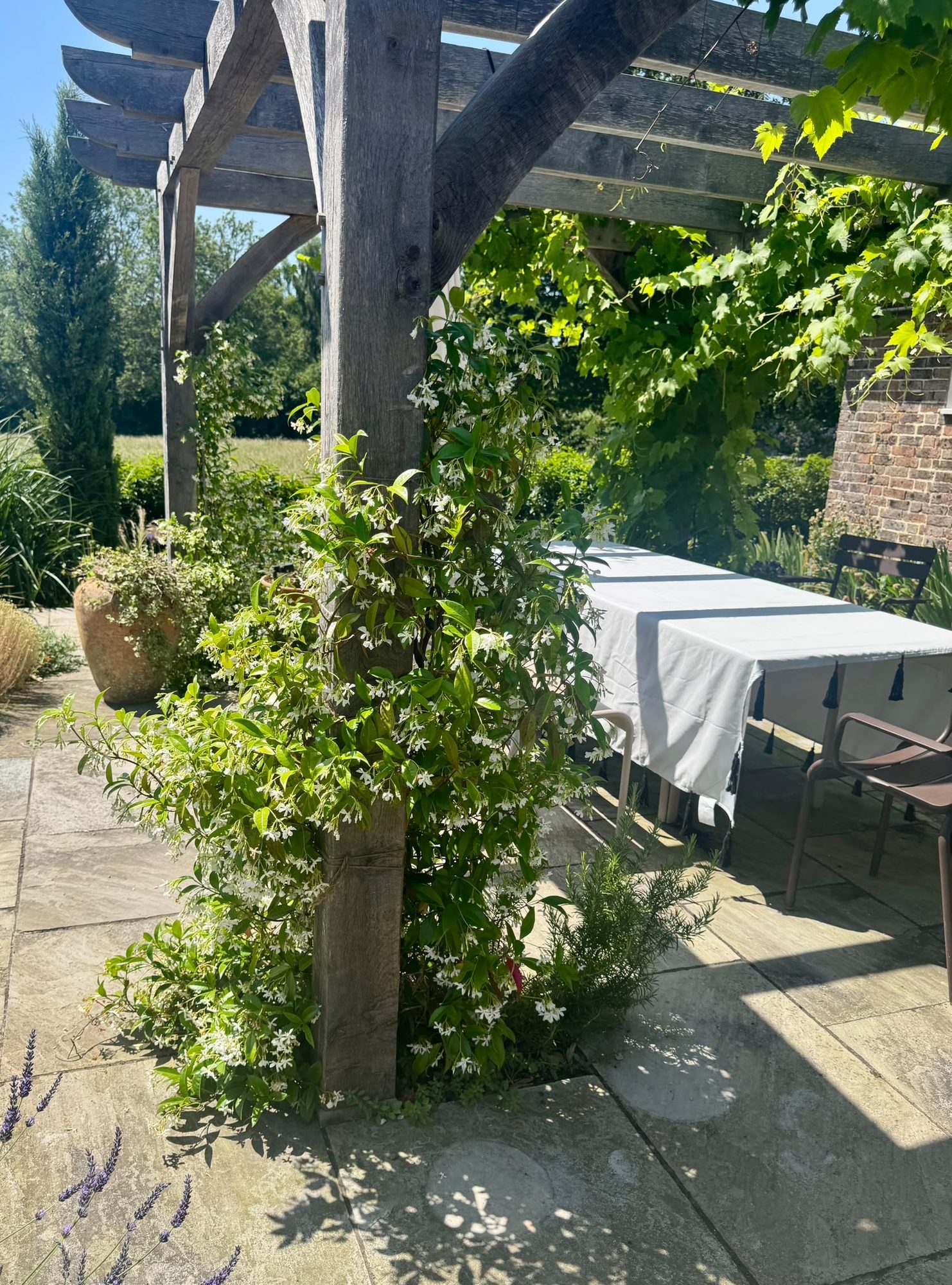
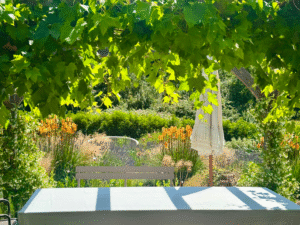
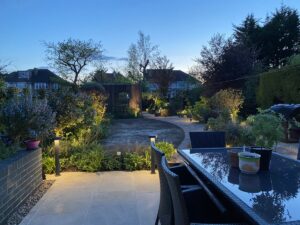
Generous planting zones and the retention of key existing features helped establish a sense of maturity and continuity. Rather than appearing newly imposed, the proposed garden was intended to feel as though it had evolved naturally within its setting.
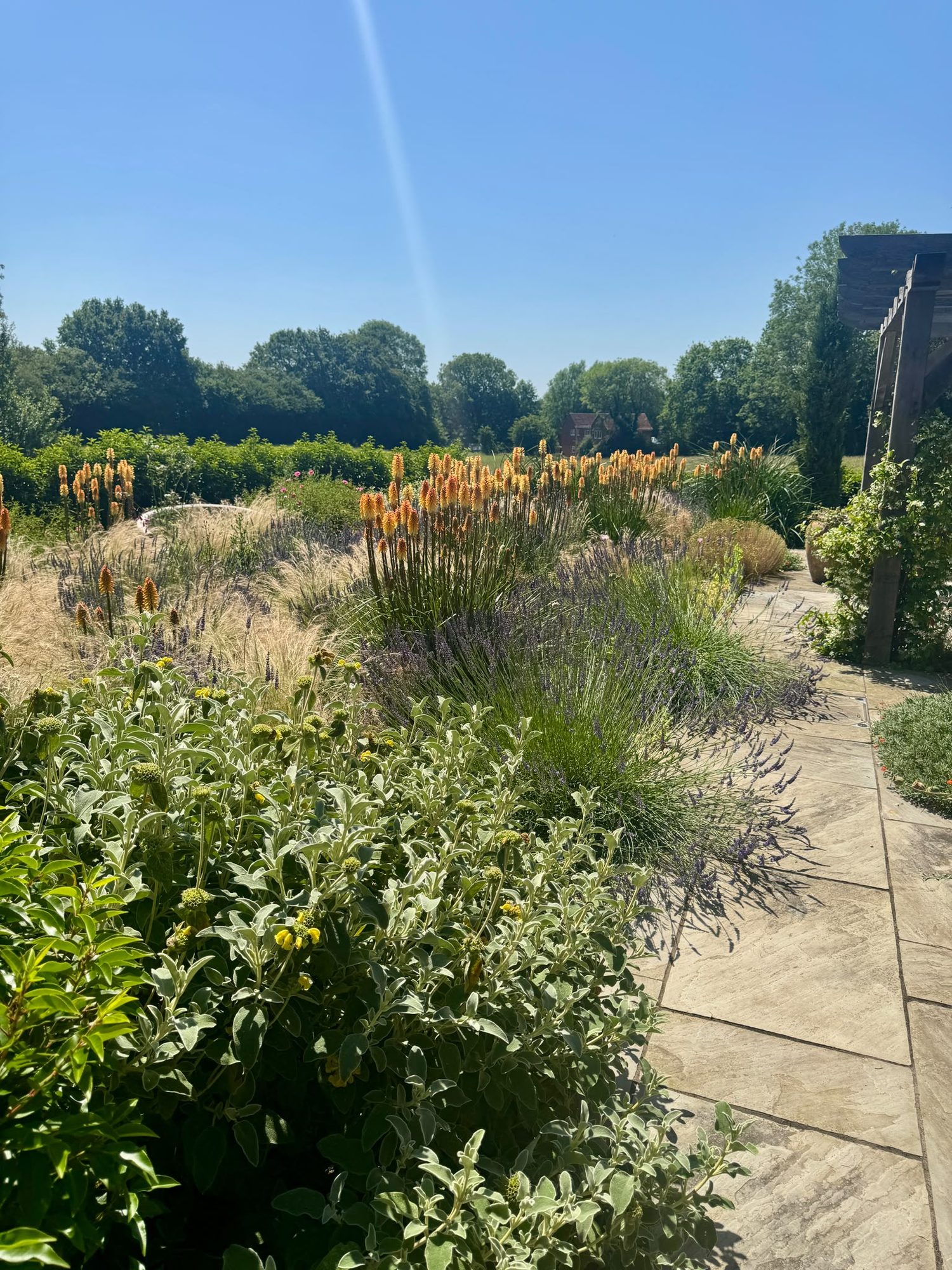
Careful consideration was also given to movement through the landscape, encouraging the client to experience the gardens from different perspectives and enjoy the many views across the surrounding countryside. The wider landscape became an integral part of the garden’s composition, extending the experience beyond the immediate boundaries of the property.
From concept to technical design
Working alongside Peter Thurman on this project, Abercorn Design Studio translated the initial design concept into a coordinated masterplan and supporting technical information. Drawing on Peter’s sketches, site visits and the topographical survey, we developed the CAD masterplan to establish the layout and relationships between the property’s buildings, circulation routes and individual garden spaces.
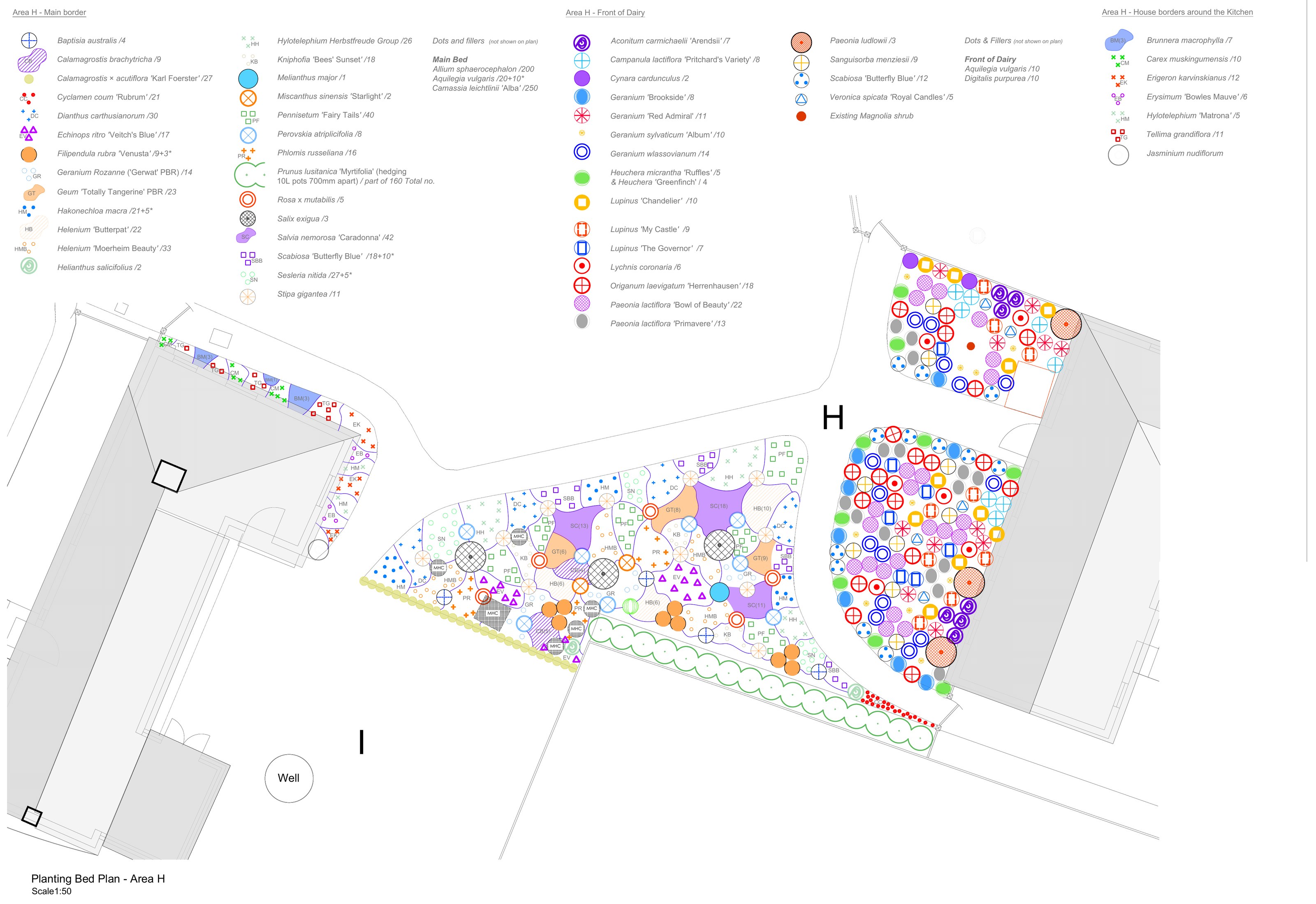
Our contribution extended to the development of detailed technical design and planting plans in collaboration with Peter. We also provided practical information to support construction, including setting-out data, technical plant information and quantity take-offs, while helping manage design changes as the project progressed.
This work connected the creative vision for Price’s Farm with the detailed information required to develop and implement the design, helping maintain continuity between the original concept, the technical proposals and the practical demands of the build.
A garden in harmony with its surroundings
The guiding ambition was to create a landscape that belonged to its setting: respectful of the cottage’s character, the local vernacular and the wider East Sussex countryside.
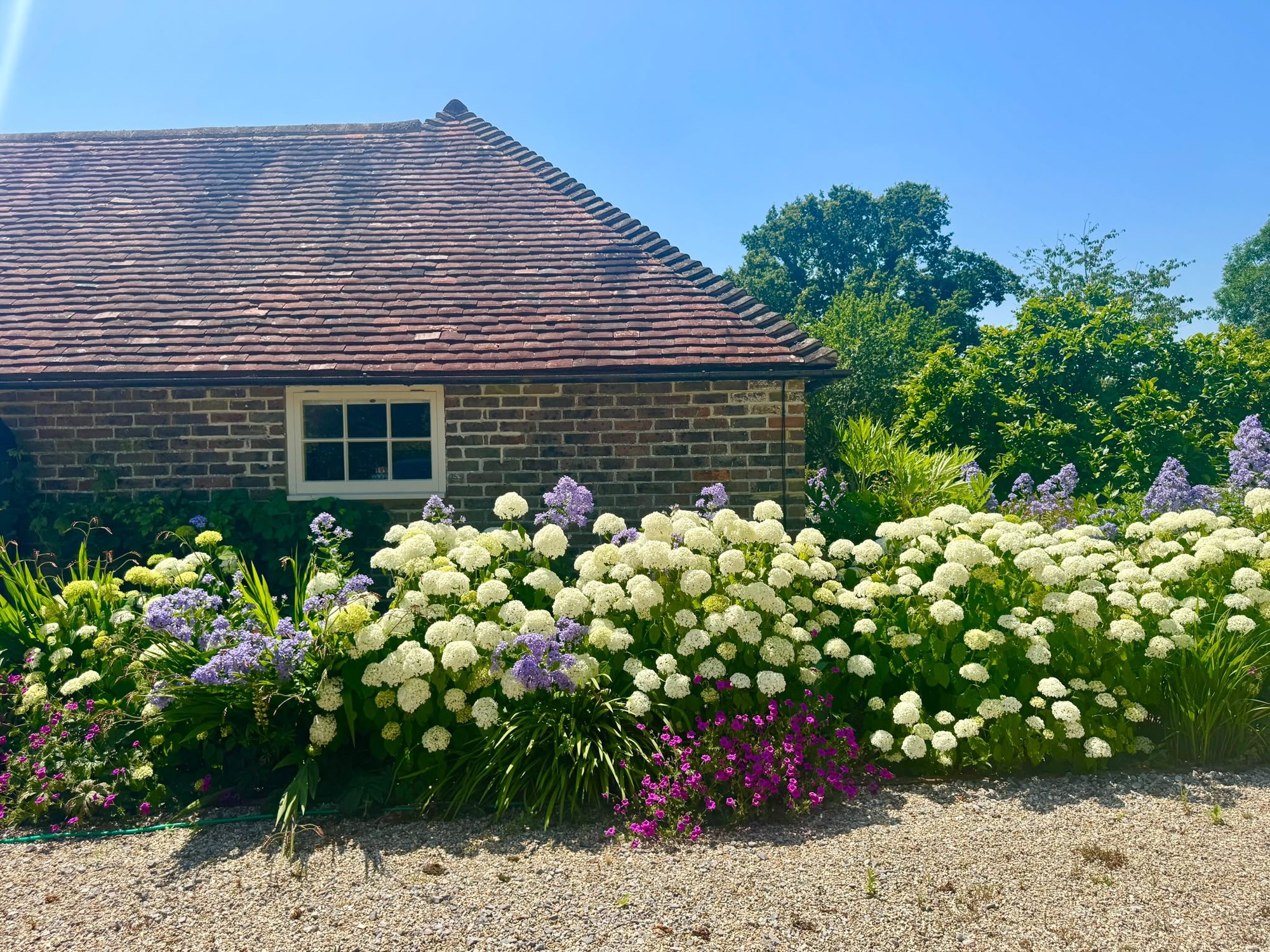
By giving each area a clear purpose while maintaining a sense of continuity throughout, the design sought to balance practical needs with the sensory and seasonal qualities of the garden. Planting, retained features, carefully considered routes and borrowed views worked together to create a landscape intended to feel established, harmonious and connected to its surroundings.
The result is a considered approach to rural garden design, in which the landscape brings the buildings together, enhances the experience of the property and provides a setting for nature and everyday life.
A close relationship has allowed Abercorn Design Studio and The Thurman Consultancy to collaborate on a variety of projects from simpler schemes such as discharging planning conditions for developers and architects, to very specific remodelling for end user clients such as Price’s Farm, often involving being part of multi consultancy teams.